Humanoid robots in 2026: real breakthrough or still overhyped
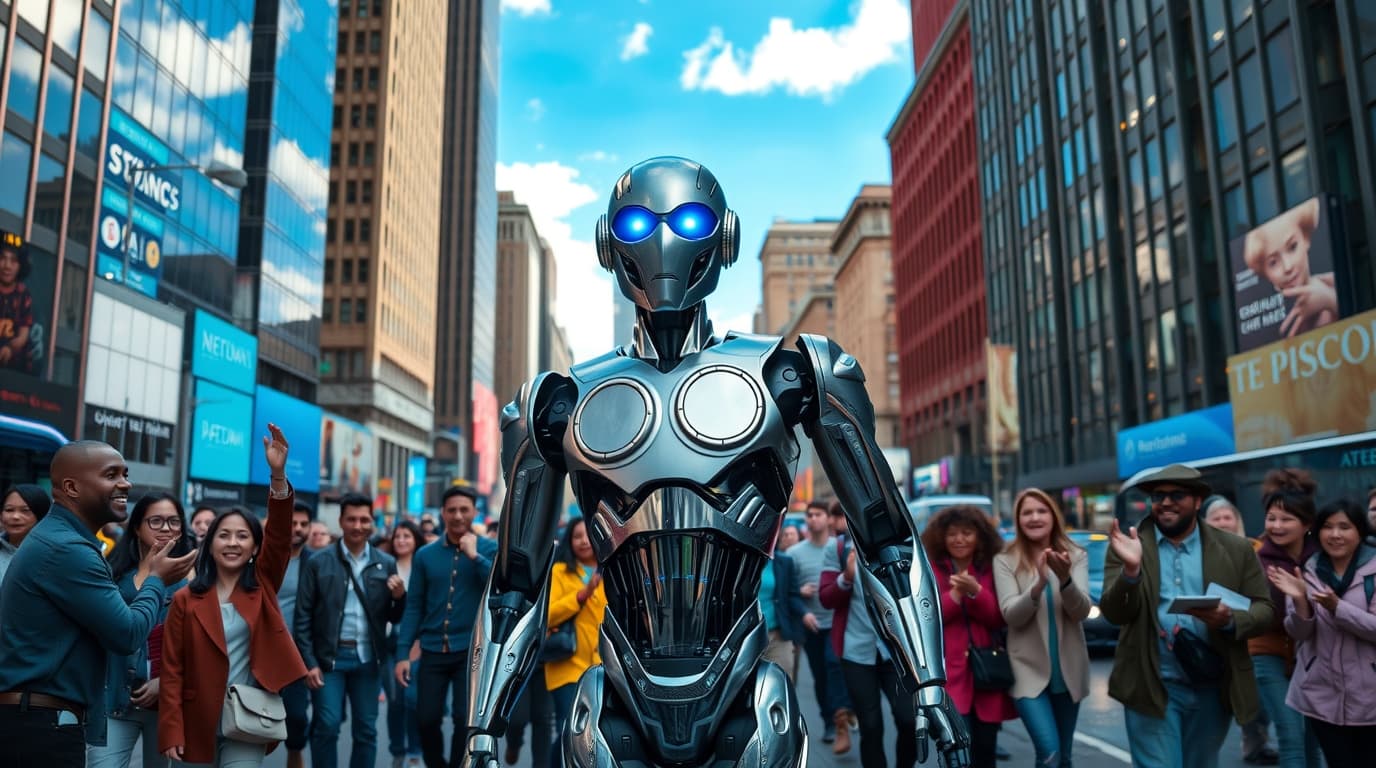
Humanoid robots are everywhere again. From technology conferences and media appearances to major investments and industrial partnerships, it feels as if the idea of robots that can walk, carry boxes, follow commands, and work in human environments has regained serious momentum.
But as so many times before, the question is not whether the demos look impressive. The real question is whether humanoid robots have actually reached the point where they can do something useful, reliable, and economically justified in the real world.
The answer in 2026 is neither purely skeptical nor fully euphoric. The progress is real, but its most realistic form is far more grounded than the futuristic scenes shown in promotional videos. Instead of a robot in every home, the most tangible advances are still happening in factories, warehouses, and controlled work environments.
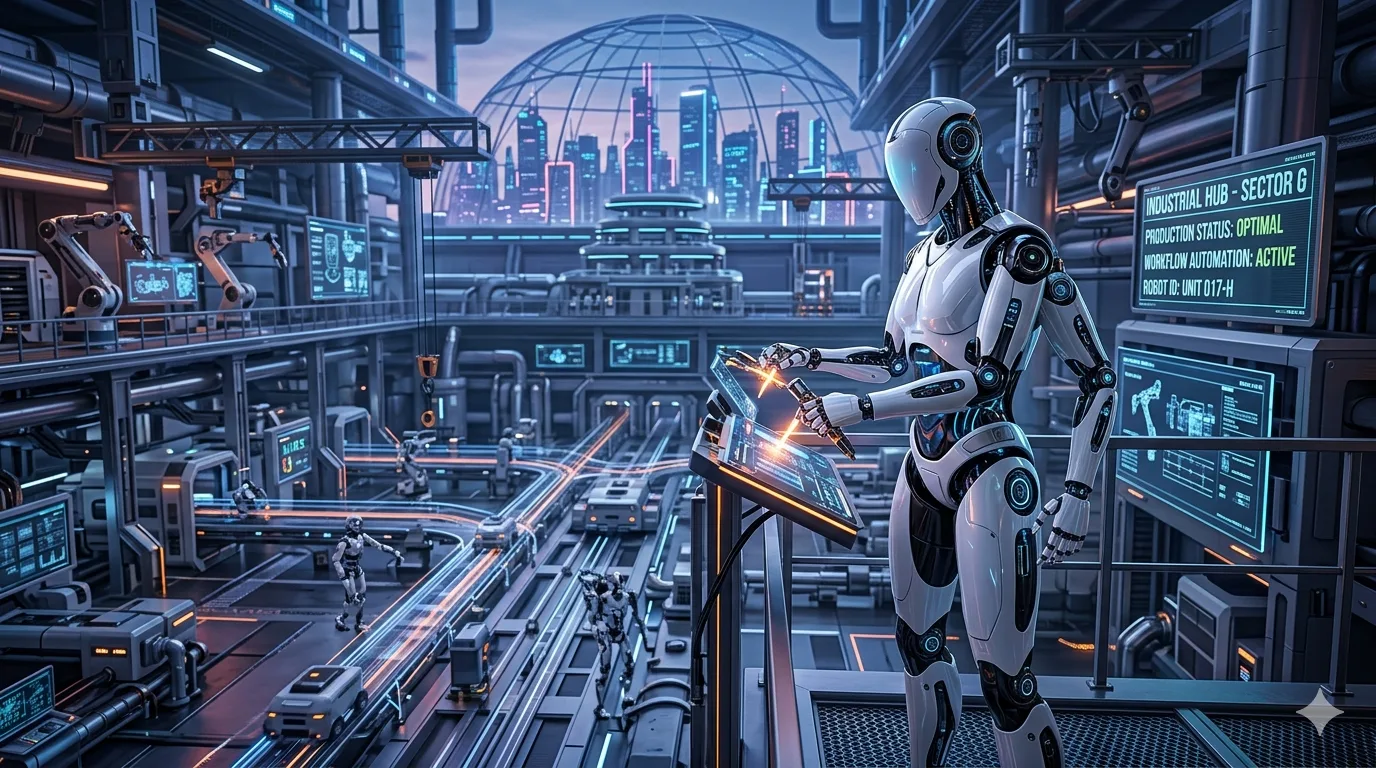
Visual illustration: InfoHelm
Why humanoid robots are a big topic again
This time, the reason is not just better hardware. The major shift comes from the combination of robotics and more advanced AI systems, often described as physical AI or embodied AI. The idea is simple: it is no longer enough for a model to understand text, images, or speech. It also has to understand space, objects, movement, and the physical consequences of its actions.
That is exactly where a new wave of development is becoming visible. Large AI and robotics companies are investing more heavily in simulation, motion control models, and tools that help robots function in real working environments. The message across the industry is clear: the next major AI race is not only about chat interfaces, but also about who can give a real “brain” to machines operating in the physical world.
That changes the tone of the entire conversation. A humanoid robot is no longer interesting only as a mechanical attraction, but as a potentially more universal platform for tasks in spaces that were already designed for people: hallways, stairs, shelves, tools, handles, and workstations.
Where they make the most sense today
The most realistic application of humanoid robots today is not in the living room, but in industry. Factories, warehouses, and logistics centers offer much more controlled conditions: tasks are clearer, spaces are more predictable, and the value of automation is easier to measure.
That is why industrial environments are where the strongest push is happening. In those settings, it is easier to assign a specific job to a robot, track the results, and adapt the workspace to fit the machine’s capabilities. That is far simpler than sending the same machine into a chaotic, changing, and unpredictable home environment.
This is an important distinction. It is much easier to instruct a robot to move specific parts in a known space or perform routine physical tasks than to expect it to function well in a home where people constantly move things, change layouts, and expect adaptation without mistakes.
What about the home and everyday life
This is where the hype often moves much faster than reality.
Companies building humanoid robots increasingly present them as future helpers for everyday life. That sounds appealing, but the home is one of the hardest possible environments for a robot. People constantly move objects, layouts are never fully the same, items come in different shapes, surfaces can be slippery, and tasks are often poorly defined.
What looks like “simply helping around the house” is, in practice, a massive challenge for perception, grasping, motion planning, and decision-making. A robot has to do far more than understand a command. It has to judge space, identify object shapes, estimate grip force, manage the risk of error, and understand the consequences of a bad movement.
Because of that, it is very likely that robots in industry will advance faster than robots in homes, even if marketing often tries to present domestic use as the nearest future.
China, the United States, and the new embodied AI race
Another reason this topic matters is that humanoid robots are becoming part of a broader geopolitical technology story. This is no longer just about individual startups and eye-catching demo videos. Humanoid robotics is increasingly entering the same strategic space as chips, large AI models, and manufacturing automation.
Whoever gains an advantage in embodied AI and physical automation platforms could end up with a serious edge in the next phase of technological development. That is why this field is no longer just an interesting experiment, but a strategic battleground where software, hardware, production, and national industrial ambitions all intersect.
At the same time, major bottlenecks still remain. Fine hand manipulation, adaptation to unpredictable situations, safe movement through complex spaces, and reliable task execution outside carefully prepared conditions remain among the biggest challenges.
Where the line is between real progress and marketing
The fairest way to say it is this: humanoid robots in 2026 are more real than they used to be, but they are still not what part of the marketing suggests.
Real progress is happening in simulation, motion control, linking AI models with physical environments, and in the growing seriousness of industrial interest. But there is still a large gap between an impressive demonstration and a reliable product that can work every day in a useful, safe, and cost-effective way.
In other words, a robot that can perform a few striking tasks in front of cameras is not the same thing as a robot that can work eight hours a day with stable performance in a real environment. That gap will define the next phase of the industry.
Conclusion
Humanoid robots are no longer just futuristic performance pieces, but they are also not yet universal workers from science fiction. In 2026, the most convincing progress is coming from industry, logistics, and the development of physical AI systems that make robots more capable in the real world.
That means a breakthrough is happening, but not in the form many people imagine. Instead of robots in every home, it is far more likely that we will first see robots becoming useful in controlled professional settings. If that proves reliable and economically meaningful, then the story of everyday humanoid assistants will finally have a real foundation.
For now, the most accurate conclusion is that humanoid robots have entered a more serious phase of development, but they still need to prove the most important thing: that they can be more than a great demo.
Note: This article is educational and informational.