AI search is no longer the same as Google: which tools actually matter today
For years, searching the internet followed a familiar pattern: type a query, get a list of links, and open multiple tabs to piece together an answer. That model is now changing faster than most people realize.
AI-powered search tools are shifting away from the classic “ten blue links” approach and moving toward direct answers, summaries, comparisons, and follow-up conversations. Search is no longer just about finding pages — it’s increasingly about understanding information.
This doesn’t mean Google is obsolete. But it does mean the way people interact with information is evolving. And understanding where AI tools actually help — and where they don’t — is becoming more important.
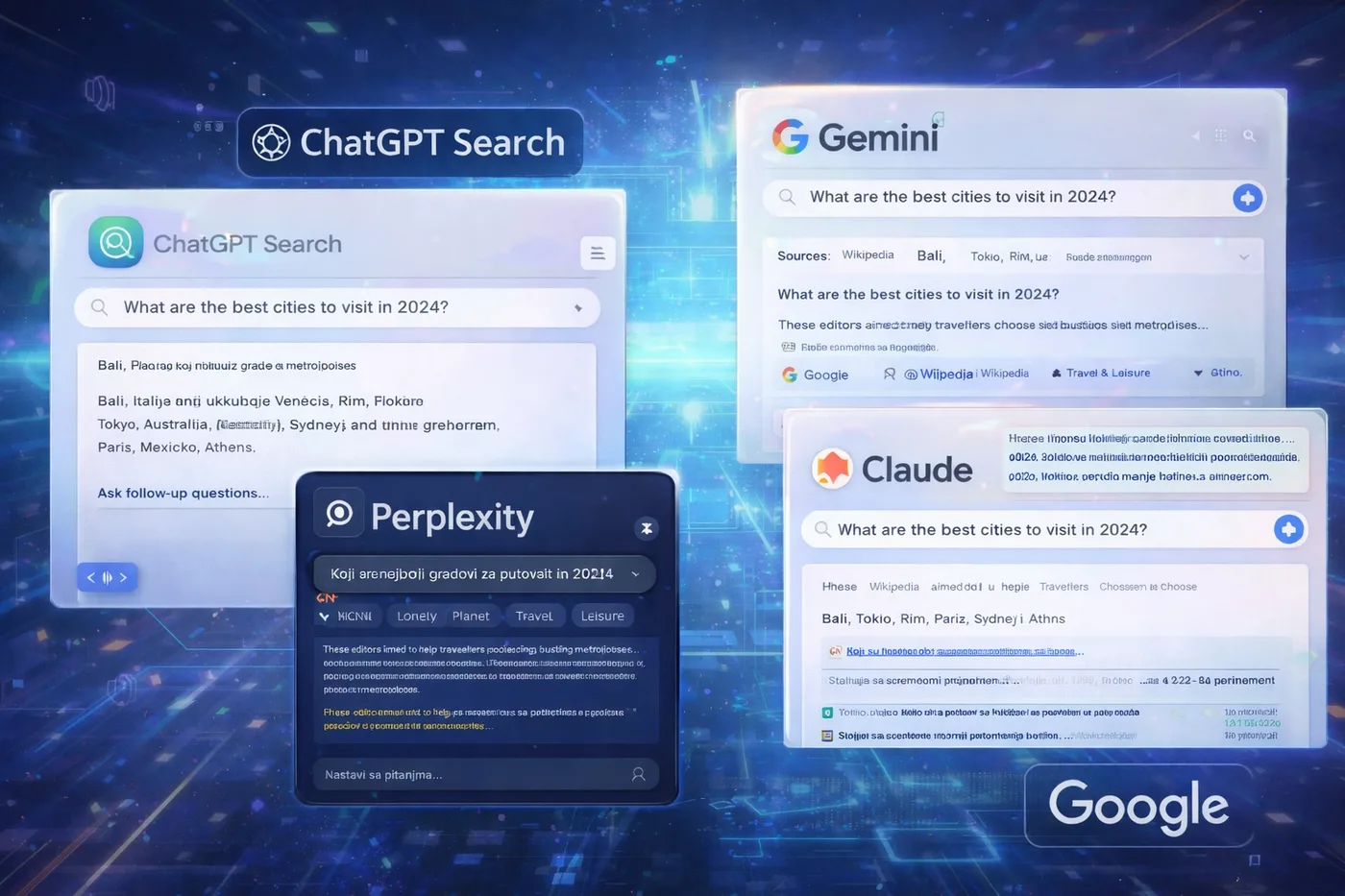
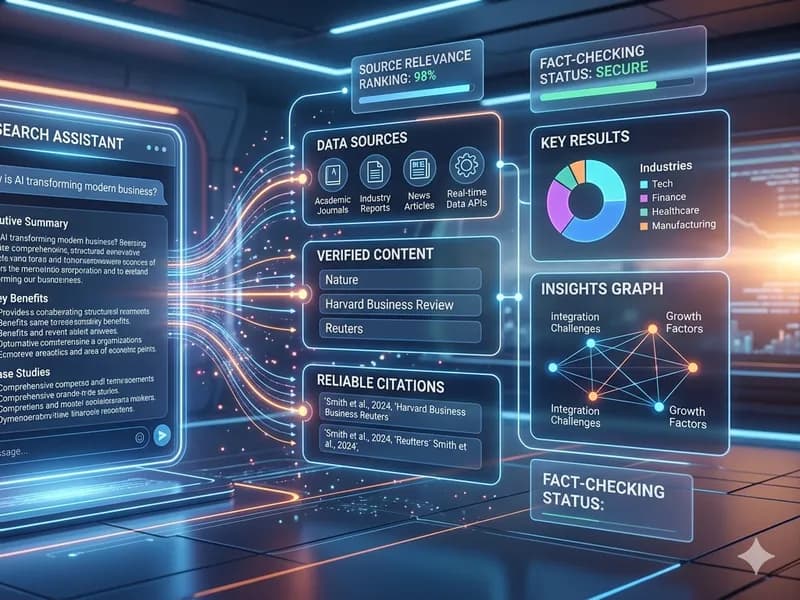
Visual illustration: InfoHelm
What has actually changed in search
Traditional search takes you to sources. AI search tries to give you the answer.
That shift changes the entire experience. Instead of opening multiple pages and assembling context yourself, AI tools attempt to summarize, connect, and explain information in one place — often allowing follow-up questions instantly.
This makes AI search especially useful for:
quick overviews,
initial research,
understanding unfamiliar topics,
and connecting information across sources.
But it also introduces a trade-off. When a tool builds the answer for you, there is always a risk of simplification, bias, or misplaced confidence.
ChatGPT Search: best for natural flow and fast answers
ChatGPT Search is strongest when you want a quick answer and a smooth follow-up flow.
Its main advantage is not just retrieving information, but keeping context. You can start with a broad question, then refine, compare, or simplify without starting over.
This makes it useful for:
quick topic understanding,
summarizing multiple sources,
brainstorming ideas,
and general day-to-day search.
The downside is subtle: because the answers feel complete, users may trust them more than they should without checking original sources.
Perplexity: great for visible sources and quick research
Perplexity sits between a search engine and an AI assistant.
Its strength is clarity. It delivers fast answers with visible citations, making users feel closer to the research process rather than just receiving a final answer.
It works well for:
fast research,
comparing sources,
finding starting points for deeper reading.
However, while it excels in speed and structure, deeper analysis often still requires manual verification and reading.
Gemini: useful for deeper research and Google integration
Gemini stands out because of its connection to the Google ecosystem.
It becomes especially useful when search is not just about answers, but about working across documents, files, emails, and broader research workflows.
It fits best when:
you need structured research,
you want integration with your own data,
or you are already working inside Google tools.
For some users, it may feel less direct than other tools focused purely on fast web answers.
Claude: more about thinking than searching
Claude is less of a search-first tool and more of a thinking and analysis assistant.
It becomes valuable after you already have information — helping you organize, compare, and extract meaning from complex material.
It is best used for:
deep analysis,
summarizing long texts,
structured reasoning.
It’s not always the first step in search, but often a powerful second step.
When Google is still the better option
Despite all the progress, traditional search still has clear advantages.
Google is better when you need:
specific websites,
official pages,
local results,
shopping comparisons,
or full control over what you open.
AI tools help interpret information. Google still excels at navigating the web.
There is no single winner
The biggest mistake is trying to find one “best” AI search tool.
Each tool fits a different need:
ChatGPT for conversational flow,
Perplexity for fast research with sources,
Gemini for deeper integration and structured work,
Claude for analysis and synthesis.
Most users will not replace one tool with another. They will combine them.
Conclusion
AI search is no longer the same as Google. It is faster, more intuitive, and often more helpful — but also more dependent on how you use it.
The key shift is not which tool wins, but how people search. Instead of one method, there are now multiple styles: searching, asking, analyzing, and combining.
And that may be the most important change of all.
Note: This article is educational and informational.