Holograms: The Basics of a Technology That “Draws” Light in Space
Holograms are often portrayed as floating 3D projections in movies, but real holography is a precise optical technique. It doesn’t “project an image” so much as record and reconstruct a light wave coming from an object. That’s why a hologram can look truly three-dimensional and change as you move your head — as if the object is sitting behind the surface.
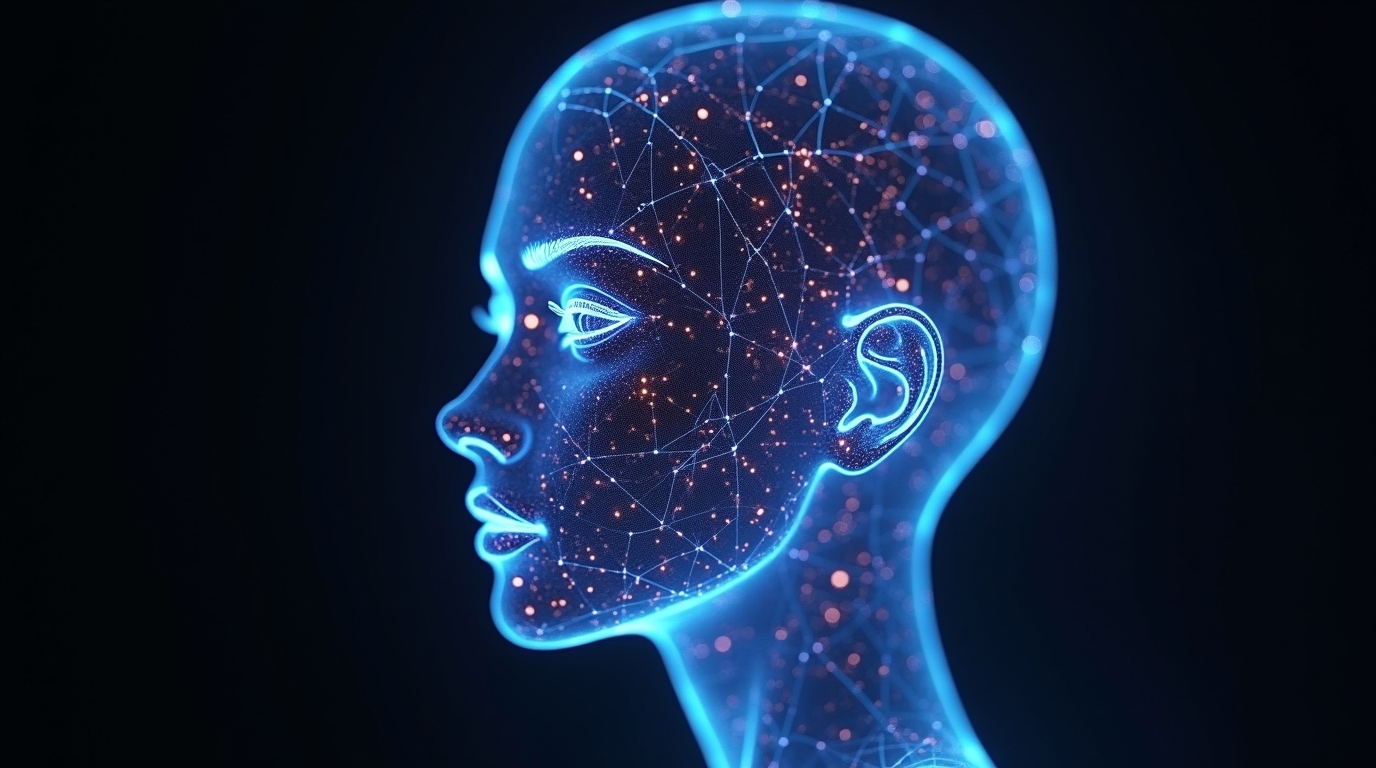
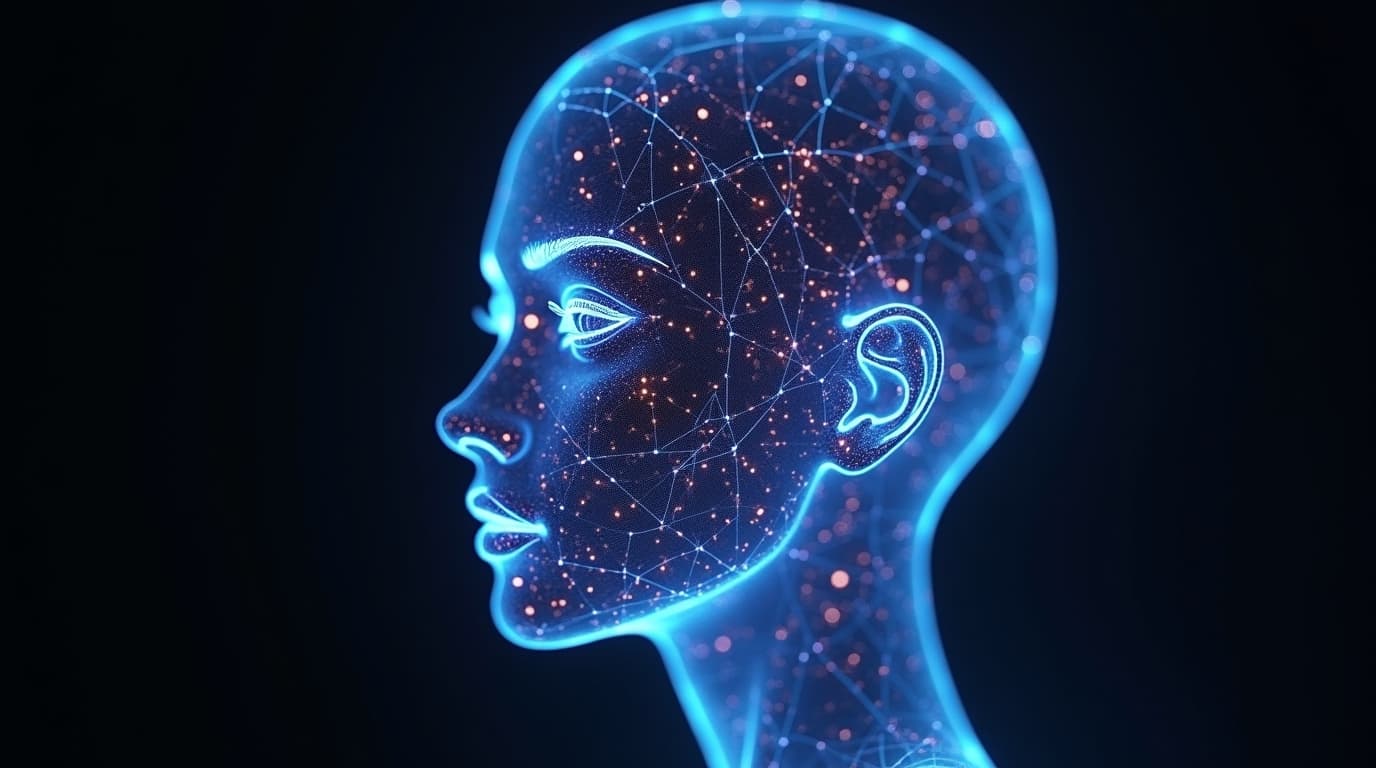
Visual illustration: InfoHelm
What a hologram is (and what it isn’t)
A hologram is a recording of light that preserves information about both the intensity and the phase of a wave. That phase information is what creates depth cues and a natural parallax effect (the perspective changes when you move).
This is often confused with things that are not holograms:
- 2D projection on fog/smoke or a screen: can look impressive, but it doesn’t reconstruct the original wavefront and usually lacks true parallax.
- “Pepper’s ghost” (stage illusion using angled glass/film): visually similar, but it’s still a reflection/projection trick.
- AR/VR: convincing 3D graphics, but not necessarily holography in the strict optical sense.
The core principle: interference and wavefront reconstruction
Holography relies on two steps:
-
Recording (capturing the hologram)
Light scattered from an object is combined with a reference beam (from a coherent source, typically a laser). When those waves overlap, they form an interference pattern (fine fringes) that’s recorded on a photosensitive material or sensor. -
Reconstruction (viewing the hologram)
When the recorded pattern is illuminated appropriately, it modulates light so a wavefront is recreated — effectively reproducing the light field that originally came from the object. Your eyes interpret that reconstructed wavefront as depth.
Common types of holograms
- Transmission holograms: viewed with light passing through the recording; often require specific illumination.
- Reflection holograms: visible under white light; common for anti-counterfeiting labels and security features.
- Volume holograms: store information throughout the thickness of a material and can offer stronger selectivity (angle/wavelength).
- Digital holography: uses sensors + computation, reconstructing the hologram numerically in software.
“Holographic displays” in practice: multiple paths to 3D
When companies say “holographic display,” they may mean different technologies:
- Light-field / multi-view displays: send different images in different directions, producing glasses-free 3D cues.
- SLM-based wavefront shaping (spatial light modulators): micro-structured panels shape the wavefront; closer to “true” holography but technically demanding.
- Volumetric displays: create points/voxels in a volume so the image appears “inside” space.
- AR glasses: often use waveguides and microprojectors; not classical holography, but currently the most practical route to “3D floating” experiences.
Where holography is used today
Holography is far more than a novelty:
- Anti-counterfeiting: holographic seals on passports, cards, packaging, and high-value goods.
- Microscopy and metrology: measuring micro-deformations, vibrations, and surface profiles.
- Optical data storage (specialized and experimental): storing information within a volume of material.
- Telepresence and visualization: experimental systems for remote presence and 3D presentations.
- Science and industry: wavefront analysis, testing optical components, and quality control.
Why “Star Wars holograms” aren’t standard yet
Turning holographic displays into mainstream consumer tech requires solving tough constraints:
- pixel density / resolution (holography needs extremely fine control),
- brightness and contrast (enough light without huge power costs),
- viewing angle (stable 3D from many directions),
- real-time computation (generating holographic patterns is expensive),
- speckle noise (graininess typical of coherent laser light).
Conclusion
Holograms aren’t “images projected into the air.” They’re optical recordings that can reconstruct a light wave, which is why they can produce a genuine 3D impression. In practice, many “holographic” demos mix multiple technologies (light-field, reflections, AR), while true holography remains dominant where precision, security, and controlled light behavior matter most.
Note: This text is educational and informational.