AI NPC Characters: How Artificial Intelligence Is Changing Video Games
For decades, video games have used NPCs (non-player characters) to populate their worlds — merchants in cities, side characters in storylines, or enemies in missions. However, most of these characters traditionally followed a simple logic: they had predefined dialogue and very limited behavior.
With the rise of artificial intelligence, that paradigm is beginning to change. AI-powered NPC characters are becoming more dynamic, adaptive, and capable of responding to players in ways that were previously impossible.
In other words, video games are gradually moving from scripted worlds toward environments that react more naturally to the player.
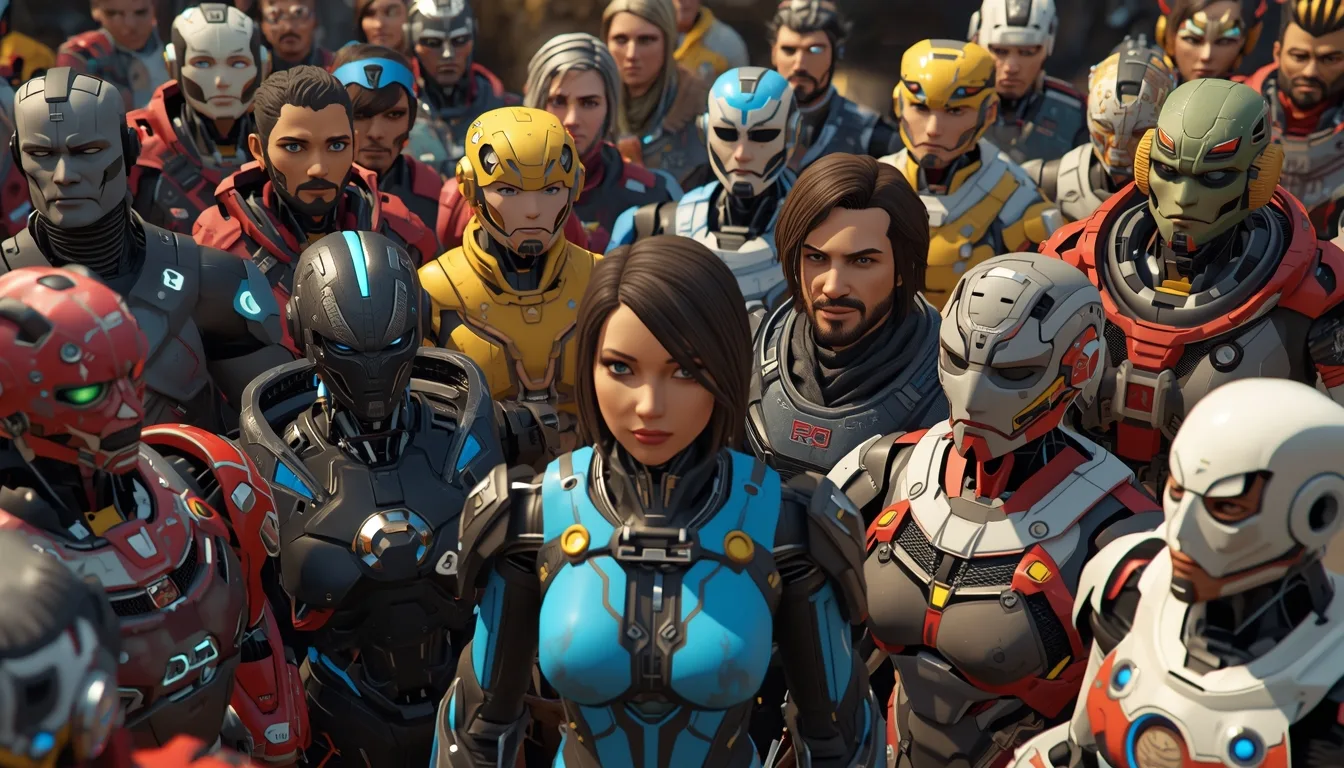
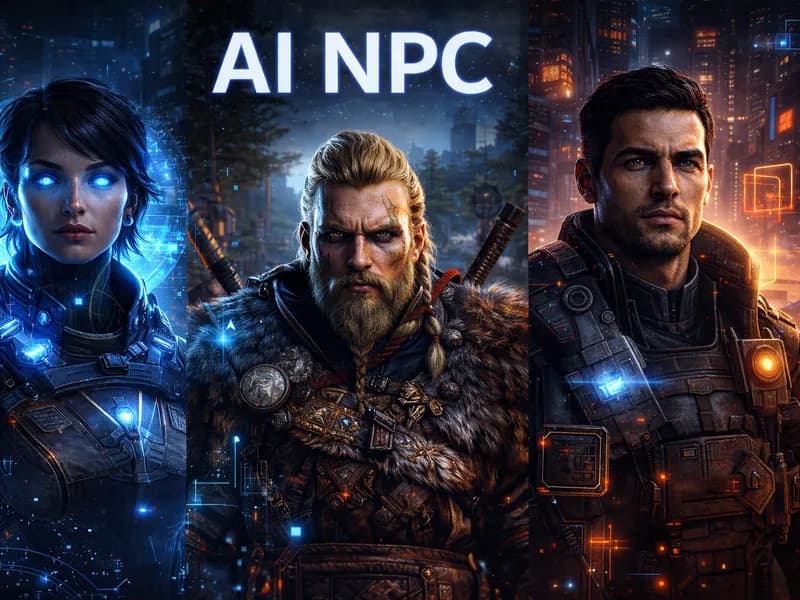
Visual illustration: InfoHelm
From Scripted Characters to Intelligent Personalities
Traditional NPCs rely heavily on scripts. Developers define all possible reactions, dialogue lines, and behaviors in advance.
For example, a shopkeeper in a city always says the same lines, enemies have a limited set of attack patterns, and mission characters react only to specific events.
Artificial intelligence changes this approach. Instead of relying purely on static scripts, NPCs can use AI systems capable of generating dialogue and behavior in real time.
This means that conversations with NPCs may start to feel closer to interacting with a real character rather than selecting dialogue options from a fixed list.
Real-Time Conversations with NPCs
One of the biggest shifts AI brings to video games is generative dialogue.
Using large language models, NPCs can understand player input and generate new responses depending on the context of the game.
Instead of repeating the same lines, NPCs can maintain extended conversations and react dynamically to player actions.
Experimental prototypes already demonstrate systems where players can speak directly to characters in a game, while AI generates dialogue and responses in real time.
This dramatically increases immersion and makes virtual worlds feel more alive.
Dynamic Worlds That Evolve
AI NPC characters do not only affect dialogue — they can reshape how entire game worlds function.
With advanced AI systems, NPCs can develop their own goals, react differently depending on player behavior, and change their routines over time.
As a result, two playthroughs of the same game could unfold in completely different ways.
Cities might contain residents with daily routines, while enemies adapt their strategies based on how the player approaches challenges.
AI as a Tool for Game Developers
For game developers, artificial intelligence is becoming a powerful tool that can accelerate development and expand the complexity of virtual worlds.
AI is already used for generating dialogue, procedural mission design, character creation, animation assistance, and even gameplay testing.
This technology allows smaller studios to build rich and complex experiences that previously required massive teams and budgets.
Conclusion
AI NPC characters represent one of the most exciting directions for the future of video games. Instead of static characters repeating scripted lines, future games may feature personalities capable of unique responses and evolving behavior.
As artificial intelligence continues to advance, players may soon experience game worlds that feel less like scripted environments and more like living ecosystems.
Note: This article is educational and informational.