Wristwatches in the Digital Age: Why Mechanical Models Still Feel So Special
At a time when a phone shows the exact time and a smartwatch tracks heart rate, sleep, and daily activity, it would seem logical to expect the classic wristwatch to become irrelevant. And yet, almost the opposite is happening. Mechanical watches still have a strong audience, and for many people they are evolving from a simple accessory into a serious hobby, and sometimes even a collector’s passion.
That is not as strange as it may seem at first. A wristwatch today is no longer just a tool for checking the time. It is also an object of design, mechanics, personal taste, and appreciation for things that are made to last. While digital devices offer functionality and speed, a mechanical watch offers something completely different: a sense of craftsmanship, tradition, and physical connection to the object you wear.
That is why the story of wristwatches in 2026 is no longer really about nostalgia. It is about why, in a world of screens and notifications, people still want something tangible, precise, and built to stay with them for years.
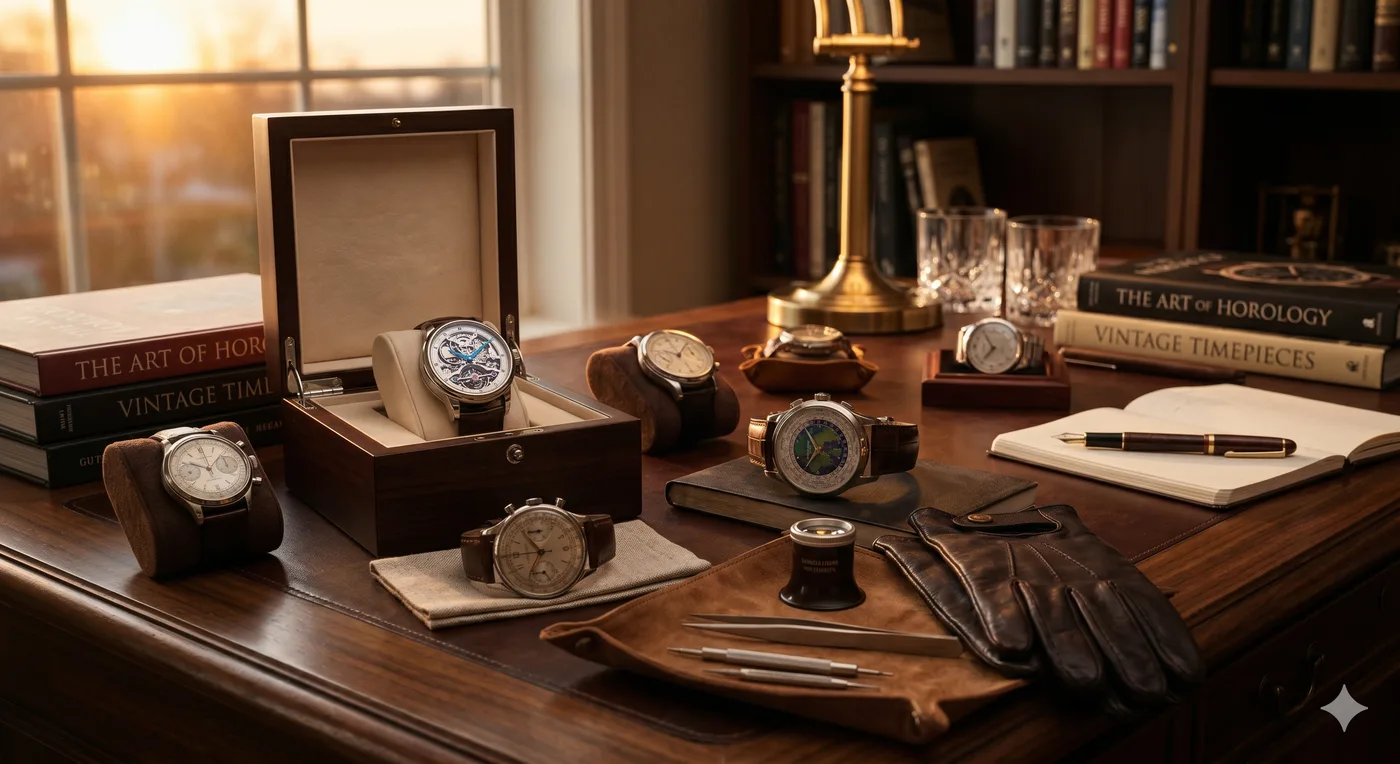
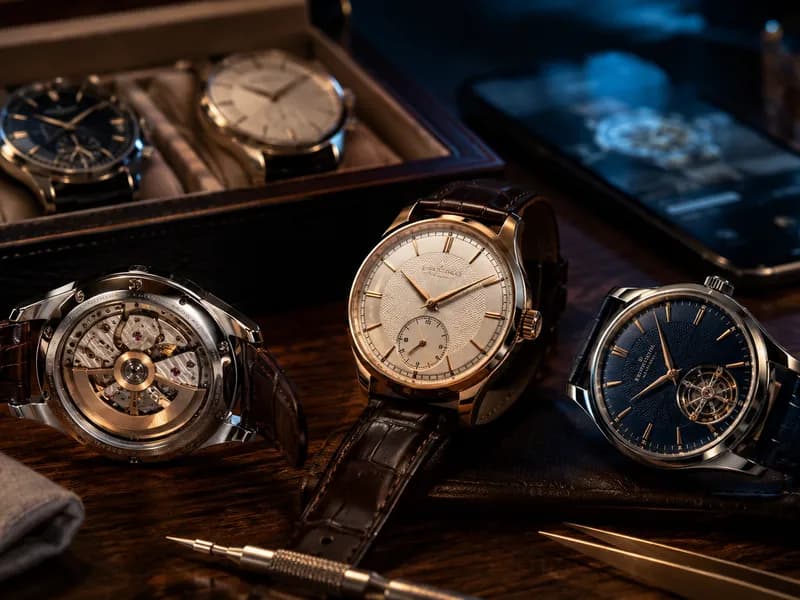
Visual illustration: InfoHelm
Why wristwatches are still popular
The simplest answer is this: they no longer sell only function, but feeling. A mechanical watch today is not competing with a phone in terms of practicality. It represents style, status, attention to detail, and an appreciation for objects with a story.
For many people, a watch is also the most personal accessory they own. Phones are replaced frequently, but a good watch can stay with you for years, even decades. That durability gives it a very different emotional weight from most modern electronics.
On top of that, growing interest in vintage and pre-owned luxury watches has strengthened the broader watch market. More and more buyers are looking not only for a new model from a boutique, but for a piece with character, history, and a place within a wider collector story.
Automatic and hand-wound are not the same thing
For beginners, the most important first step is understanding the difference between an automatic watch and a hand-wound one.
An automatic watch uses the movement of the wrist to wind its spring. As you wear it, a rotor inside the case transfers energy and keeps the movement running. That makes it more practical for daily use, which is why it is often the most natural entry point into the world of mechanical watches.
A hand-wound watch requires the owner to wind it manually through the crown. That may sound like a drawback to some people, but for watch enthusiasts it is often part of the appeal. Hand-winding creates a small daily ritual and gives a more direct sense of connection with the mechanism itself.
In short, automatic watches are usually more practical, while hand-wound models often feel more intimate and traditional.
Why people get into watch collecting
Watch collecting rarely begins as a grand investment strategy. Much more often, it starts with curiosity. Someone buys a first watch because they like the design, then begins to notice the difference between movement types, and gradually becomes interested in the history of brands, cases, dials, hands, and complications.
Over time, watches become more than objects. One may be an everyday piece, another more elegant for special occasions, and a third a vintage model with a completely different character. That is how a collection starts to take shape not only through price, but through taste.
That is exactly why good collecting is more about identity than simple accumulation. The most interesting collections are not always the most expensive ones, but the ones with a clear logic and a personal point of view.
How a beginner can start wisely
The biggest mistake is entering the hobby impulsively and immediately chasing a so-called grail watch. It is much smarter to begin with one good watch that you genuinely want to wear.
At the beginning, it helps to think in simple terms: do you want a watch for everyday use, are you more drawn to sporty or elegant styles, do you care more about the practicality of an automatic or the charm of hand-winding, and are you looking for a new or pre-owned model.
For a beginner, one well-chosen mid-range watch is usually better than three random purchases with no clear purpose. In this hobby, good taste tends to develop more slowly than money disappears.
Watch suggestions for a first collection
If we look at it from a sensible beginner’s angle, the breakdown could look like this:
For a practical entry into mechanical watches: Seiko 5, Citizen Automatic, Orient Bambino, or Kamasu.
For a more elegant and classic starting point: Tissot Le Locle, Hamilton Jazzmaster, or something similar in the dress-watch category.
For those drawn to hand-wound pieces: Hamilton Khaki Mechanical, Timex Marlin Hand-Wound, or an affordable microbrand with a proven movement.
For a later step into more serious collecting: Longines, Nomos, Oris, Tudor, or carefully chosen vintage models.
The point is not that everyone needs to move toward luxury. A good beginning is the watch that makes you want to wear it, study it, and learn more.
The wristwatch as an object in a slower rhythm
That may be exactly why a mechanical watch still has a place in the digital world. It does not try to be faster than an app or smarter than a phone. Instead, it offers a slower and calmer relationship with time.
Hand-winding, observing the dial, choosing a strap, feeling the case on the wrist — these are all small details that gain unexpected value in an era of endless scrolling. A watch does not ask for attention every ten seconds. It simply exists quietly and does its job.
There is something deeply appealing in that. Perhaps that is why watches continue to matter, not in spite of the digital age, but partly because of it.
Conclusion
Wristwatches are popular today not because they are necessary, but because they offer something digital devices usually do not: durability, character, and a sense of mechanical reality. For many people, an automatic watch is the most natural first step, while hand-wound models attract those who value tradition and ritual more deeply.
And when it comes to collecting, the best beginning is not the most expensive watch, but the one that truly draws you into the story. Once that happens, a watch stops being just an object on the wrist and becomes part of personal taste, habit, and identity.
Note: This article is educational and informational.