Rivian is building its own AI chip for autonomy — and a ‘Large Driving Model’ to power it
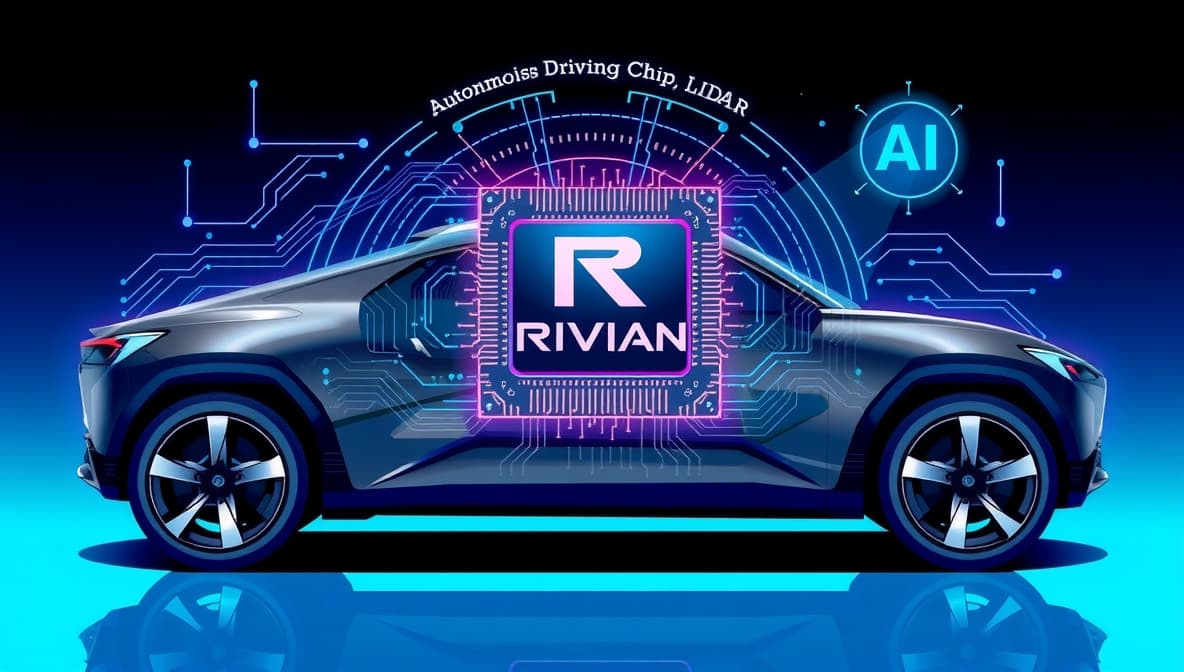
Rivian is making a bold move into vertical integration: the company says it has developed its own autonomy processor, paired with a next-generation in-vehicle compute platform and an AI approach to driving that’s trained at scale — a concept it calls a Large Driving Model.
For drivers, this is mainly about better driver assistance and, eventually, more capable hands-free features. For the industry, it’s a clear signal that the next phase of autonomy will be defined by who controls the full stack: sensors, silicon, models, and software updates.
What Rivian announced
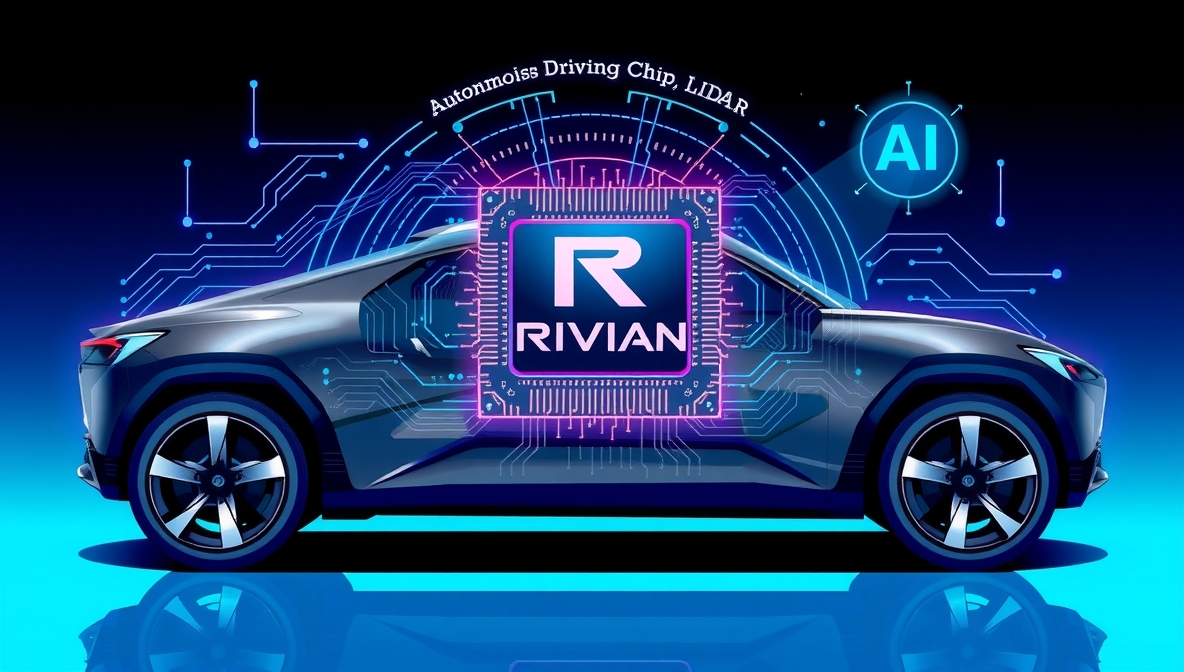
Rivian’s headline reveal is a custom chip — often described as the company’s autonomy processor — designed to run real-time AI inference and process high-bandwidth sensor data inside the vehicle.
Alongside the chip, Rivian outlined:
- a next-gen autonomy compute platform (its “Gen 3” direction),
- a foundational Large Driving Model for driving behavior,
- plans to incorporate LiDAR (in addition to cameras and radar) on future vehicles, with R2 positioned as a key milestone,
- and a paid Autonomy+ package for more advanced capabilities, targeted for rollout in 2026.
Why custom silicon matters
Building an in-house chip isn’t just a flex — it’s leverage.
When a company controls its own silicon, it can:
- optimize performance and power use around its exact sensor setup,
- reduce dependence on third-party roadmaps,
- push tighter integration between hardware, compilers, and AI models,
- and create a clearer path to monetizing features through software upgrades and subscriptions.
In short: custom silicon helps autonomy feel less like a “feature” and more like a platform.
“Large Driving Model”: LLM logic, but for driving
The most interesting part of Rivian’s story is the shift away from heavily rule-based systems toward an AI model trained on massive datasets from real driving.
The promise is simple:
- instead of hand-coding behavior for endless edge cases,
- train a model to generalize driving decisions across scenarios,
- then continuously improve it through data + over-the-air updates.
That doesn’t magically solve autonomy — but it’s the direction the entire industry is drifting toward.
Timeline and what to watch next
Rivian’s roadmap points to 2026 as the year when the bigger autonomy push becomes visible to customers — especially as new hardware (including LiDAR on specific future configurations) and paid feature tiers roll out.
The key things to track:
- how quickly hands-free coverage expands (and how it performs in real conditions),
- how sensor fusion (camera + radar + LiDAR) behaves on the road,
- whether Autonomy+ pricing and packaging lands well with buyers,
- and how fast Rivian can iterate on the driving model via updates.
Conclusion
Rivian isn’t just adding a new driver-assist option — it’s building an autonomy stack: silicon + sensors + model + software business model. If execution matches ambition, 2026 could be a turning point where “AI-defined vehicles” becomes more than marketing — and starts looking like the new baseline.