AI Agents: The Next Step in the Evolution of Artificial Intelligence
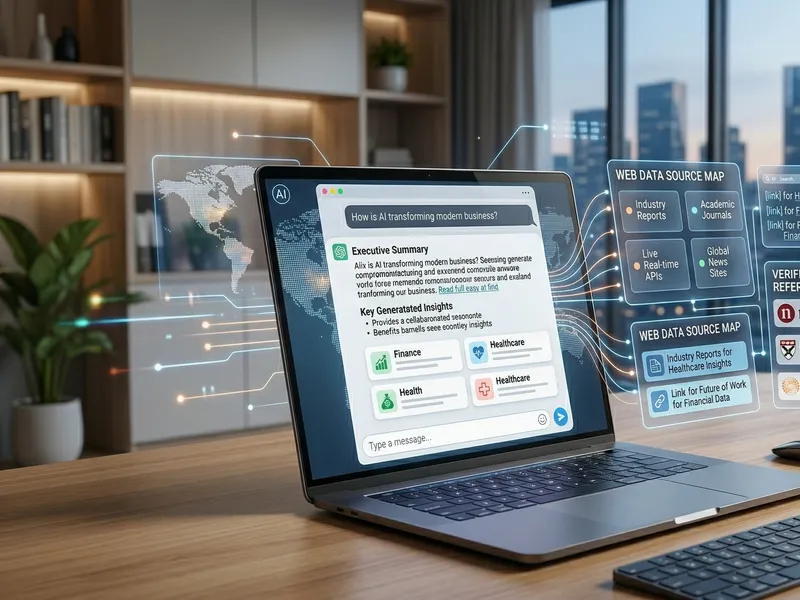
Artificial intelligence has advanced rapidly in recent years, but a new generation of systems is taking things even further. Instead of simply answering questions or generating text, AI agents can autonomously perform complex tasks using the internet, applications, and various digital tools.
Major technology companies such as OpenAI, Google, and Anthropic are already developing systems capable of planning activities, making decisions, and executing multiple steps required to solve a problem.
This shift represents a transition from AI assistants to AI systems that actively perform work for the user.
Visual illustration: InfoHelm
What Are AI Agents
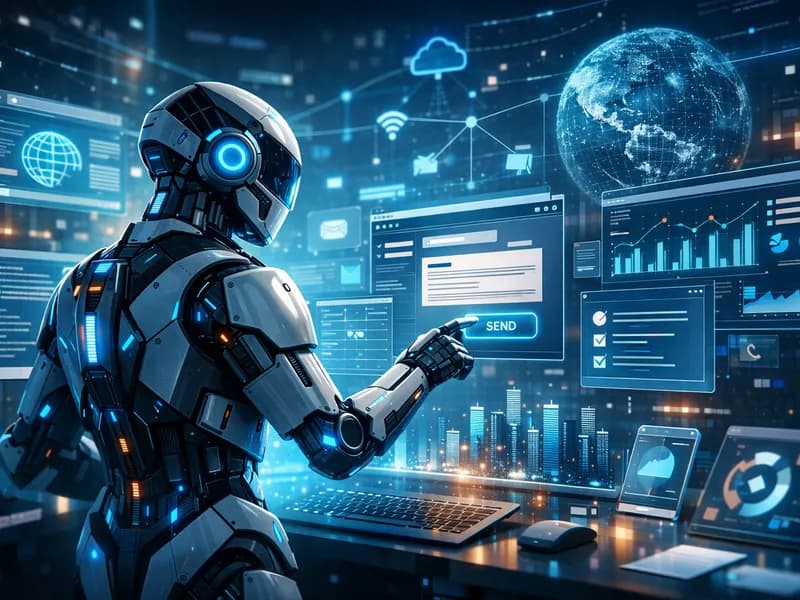
An AI agent is a software system capable of completing a task through multiple steps, often without direct human intervention. Instead of manually performing each action, the agent can plan a strategy and execute it across different digital processes.
For example, an AI agent might:
- search the internet for relevant information
- analyze collected data
- generate a report
- send results via email or an application
In practice, this means AI is no longer just a tool for generating content but a digital worker capable of completing tasks on behalf of users.
How Companies Are Developing This Technology
Major AI companies are already working on platforms that allow agents to interact with various digital tools.
Some of the key development directions include:
- AI systems that use software environments (browsers, documents, databases)
- multi-agent systems where several AI agents collaborate on a task
- AI that plans and executes tasks across multiple steps
The goal is to turn AI systems into platforms capable of automating complex processes in business, programming, research, and data analysis.
Potential Real-World Applications
Autonomous AI agents could significantly change how people interact with computers and the internet.
Possible applications include:
- automation of administrative tasks
- research and analysis of large datasets
- assistance in software development and programming
- personal digital assistants that manage tasks and workflows
In professional environments, AI agents could dramatically reduce the time required to complete repetitive and complex processes.
Conclusion
AI agents represent one of the most important directions in the development of artificial intelligence in the coming years. While today’s AI systems mostly act as assistants that respond to prompts, the next generation moves a step further — AI that actively performs tasks instead of the user.
If development continues at the current pace, autonomous AI agents could become a fundamental part of digital infrastructure across business, software, and everyday life.
Note: This article is educational and informational.