
DePIN 2025: how crypto builds real networks for internet, energy and data
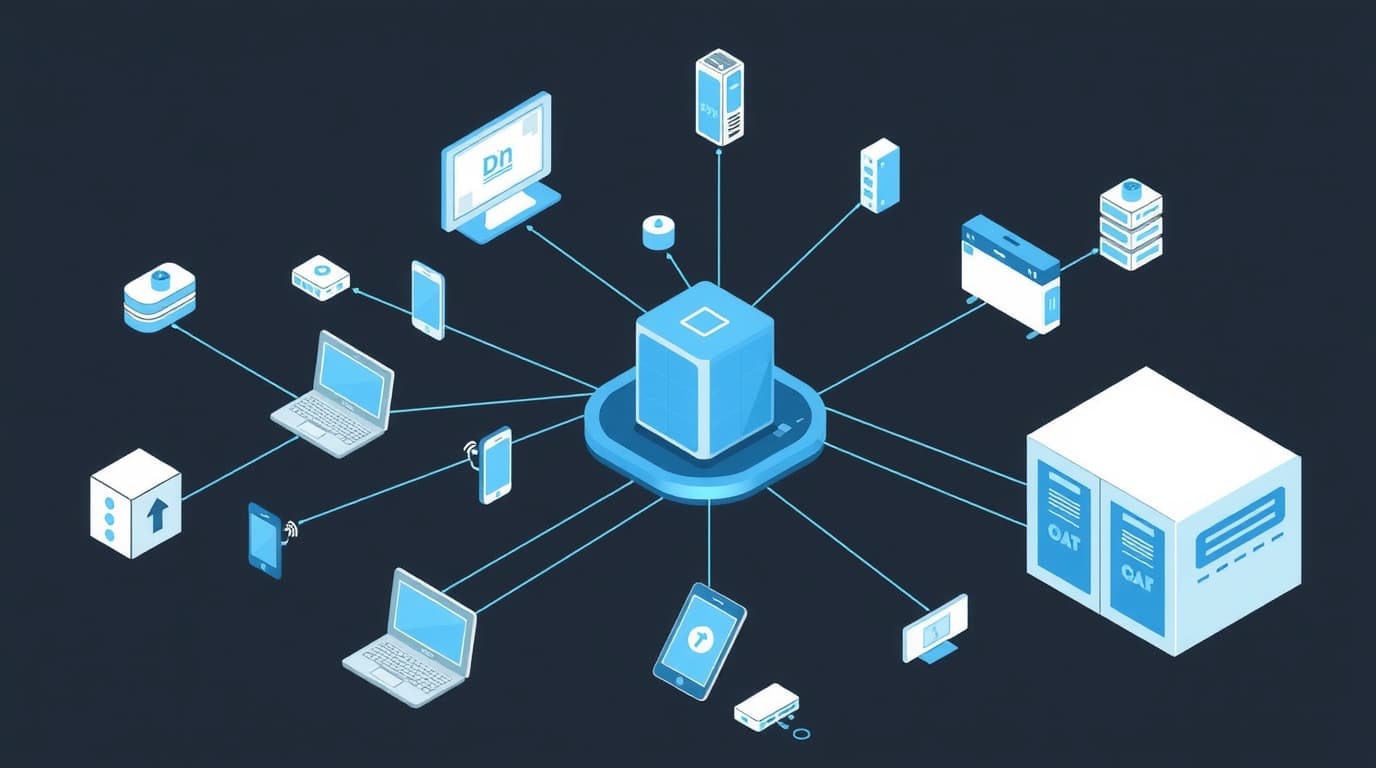
If the first crypto waves were about digital money (Bitcoin) and smart contracts (Ethereum), the new one goes a step further: crypto is entering the physical world. That’s where DePIN – Decentralized Physical Infrastructure Networks comes in.
The idea is simple: instead of one company building networks for internet, sensors, EV chargers, storage or AI compute and taking all the profit, users themselves build the network and are rewarded with tokens.
In this article we look at what DePIN is, how it works in practice and what it means for a regular investor who wonders: “Is this real value or just another hype cycle?”.
What is DePIN and why is everyone suddenly talking about it?
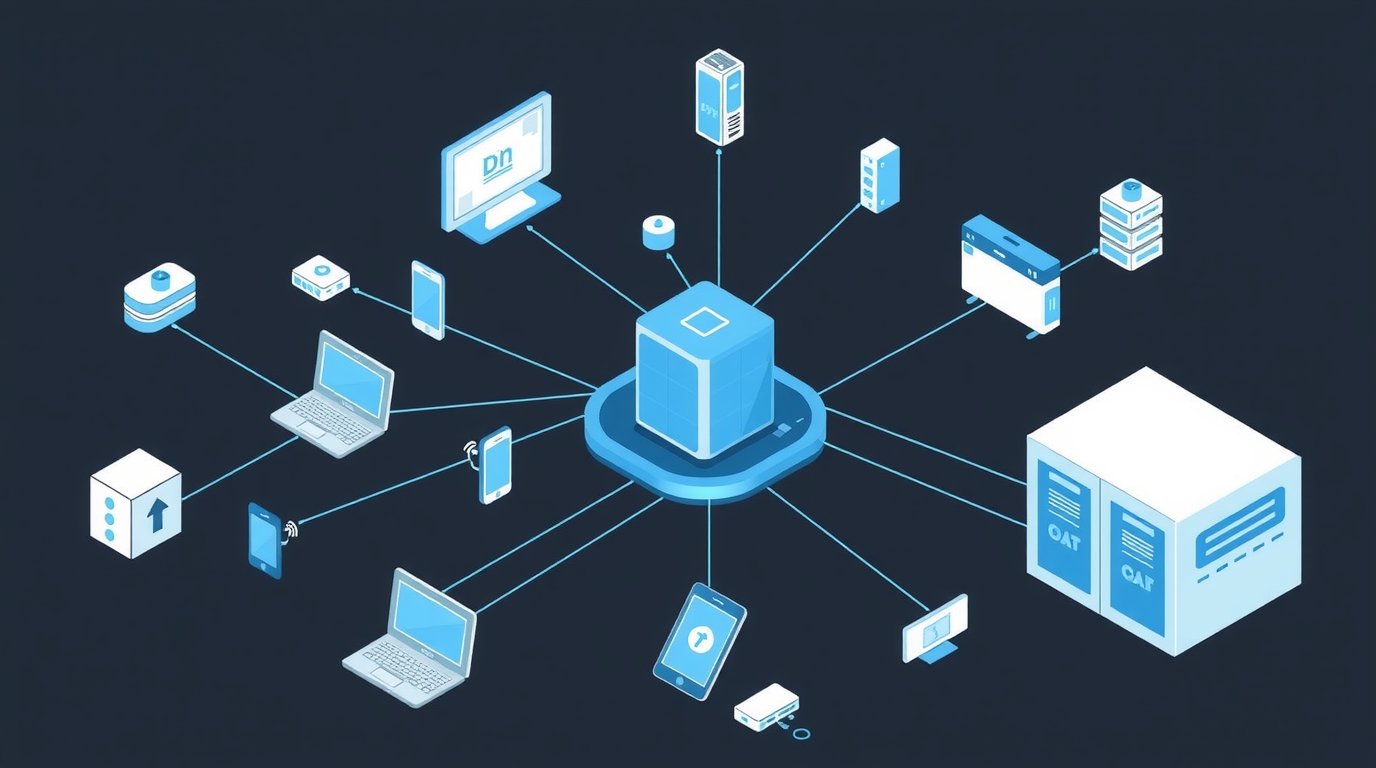
DePIN is an umbrella term for projects that use blockchain and tokens to incentivize people to:
- deploy routers and wireless hotspots,
- share spare storage and internet bandwidth,
- plug in GPUs and specialized machines for AI and rendering,
- install sensors, cameras and IoT devices,
- or even create networks for energy and EV charging.
In return, these devices earn tokens when they provide a real service: route data, store files, run AI jobs, measure air quality, power a car, and so on. The more useful the network is, the more valuable the token should become – at least in theory.
In other words, DePIN tries to replace the model:
“A centralized company buys all the hardware and sells you a service”
with:
“The community buys the hardware, while the blockchain keeps score of who contributes what and splits the rewards”.
Where is DePIN already used?
We already see projects trying to cover different verticals:
- Wireless and IoT networks – users install devices that extend coverage and collect sensor data.
- Data storage – instead of one data center, files are distributed globally, and nodes are paid to keep them online.
- AI and compute – GPU owners rent out processing power for AI training or 3D rendering and get paid in tokens.
- Energy and EV charging – early pilots where small producers, solar farms or charging stations use DePIN as a settlement and tokenization layer.
Most networks are still in the early stage, but the concept is clear: the blockchain is the public ledger of contributions and payments, and tokens are the glue that aligns incentives.
How DePIN works in practice: three basic models
To make things more concrete, let’s group DePIN projects into three patterns you’ll most often see in the wild.
1. “I buy a box, plug it in and start earning tokens”
This is the most visible model: the project sells or licenses a special device (gateway, router, sensor, ASIC, mini server…). You:
- buy it,
- connect it to power and internet,
- link it to your wallet / app,
- and from that point the network rewards you with tokens for providing service.
Pros: easy to understand, “plug-and-earn” experience.
Cons: it can quickly turn into an expensive lottery if:
- nobody actually uses the network (no real traffic),
- the token has weak demand,
- or the market ends up flooded with devices so rewards per node collapse.
2. Software DePIN: using your existing hardware
The second model doesn’t require special hardware. You install:
- an app to share excess bandwidth,
- a storage client,
- a DePIN node that uses your disk, CPU or GPU,
and you’re in.
Pros: lower entry cost, you can experiment with the hardware you already own.
Cons: more competition, often smaller earnings per device and more technical friction (ports, configs, maintenance).
3. DePIN as infrastructure for AI and Web3 apps
The third wave aims to become backend infrastructure for other projects:
- AI startups can buy cheaper compute (GPU-as-a-service via DePIN),
- Web3 apps can rely on DePIN for storage, video streaming or CDN,
- cities and companies can integrate DePIN sensors and analytics instead of building their own infrastructure.
This model is the most interesting for long-term investors, because real value appears only when there is stable demand from businesses, not just speculative token trading.
Pros and risks of DePIN projects for investors
Like every crypto trend, DePIN mixes very real potential with very real risks.
What’s potentially good?
-
Real demand, not just narrative
If the network solves an actual problem (cheaper internet, cheaper storage, more accessible AI compute), demand for its service doesn’t rely only on the crypto bull cycle. -
Passive income for contributors
If you join early and the network succeeds, the device you bought can earn tokens for years – like a tiny “crypto rental property”. -
Portfolio diversification
DePIN tokens and “earn” models can be a separate bucket in a crypto portfolio, different from classic L1/L2 coins, memecoins or NFTs.
Where are the traps?
-
Hardware ≠ guaranteed ROI
Buying a device is often marketed as an “investment”, but the real return on investment depends on tons of variables: token price, number of nodes, real traffic, changes in tokenomics… -
Centralized backend to a decentralized story
Many DePIN projects are essentially private companies with a token, not fully decentralized networks. The company can change rules, reward distribution or even exit the scene. -
Regulatory grey zone
If a network carries traffic, stores data or uses cameras and sensors, you immediately hit questions of privacy, licenses and local regulation – especially in the EU and US. -
Tokenomics that eats its own users
Some networks shower early participants with tokens, but later inflation crushes the price, and rewards per device become negligible.
How to approach DePIN as a “regular” crypto user?
Instead of jumping into the first YouTube pitch that promises “this box prints $1,000 a month”, a more grounded approach is:
-
Start from the service, not the token
What does the network ACTUALLY do? Who buys that service? Would you, as a business, ever pay for it? -
Read tokenomics as a business model
How are rewards split? Who gets the initial supply – team, VCs, community? Is there a lock-up? Does the network earn from real fees or live off speculation? -
Test with small capital / a single device
If it still looks interesting, start with a minimal stake – one device or a small allocation – and watch support quality, software polish and community health. -
Diversify inside the trend itself
Instead of going all-in on one project, you can spread the risk between several networks (storage, compute, IoT) or combine DePIN exposure with classic “blue-chip” crypto.
Conclusion
DePIN might be the first crypto trend that seriously tries to bridge blockchain and physical infrastructure – internet, energy, data and AI compute. If it works, it could reshape:
- how we build wireless networks,
- how we store and process information,
- and how ordinary people participate in infrastructure that used to be reserved for telecom and IT giants.
But because it touches the “real world”, DePIN also inherits all its complications: regulation, hardware costs, uncertain ROI and the risk of badly designed tokenomics.
For now, the most sensible way to treat DePIN is as a high-risk but compelling experimental part of a portfolio – a space worth following, learning about and testing in small doses, rather than blindly chasing the next “magic box that prints money”.
Disclaimer: This article is for informational purposes only and does not constitute financial, investment, legal or any other form of professional advice. Cryptocurrencies and DePIN projects are highly speculative and risky. Any investment decision is solely the responsibility of the reader.