
Paris Fashion Week: when a humanoid robot becomes a model
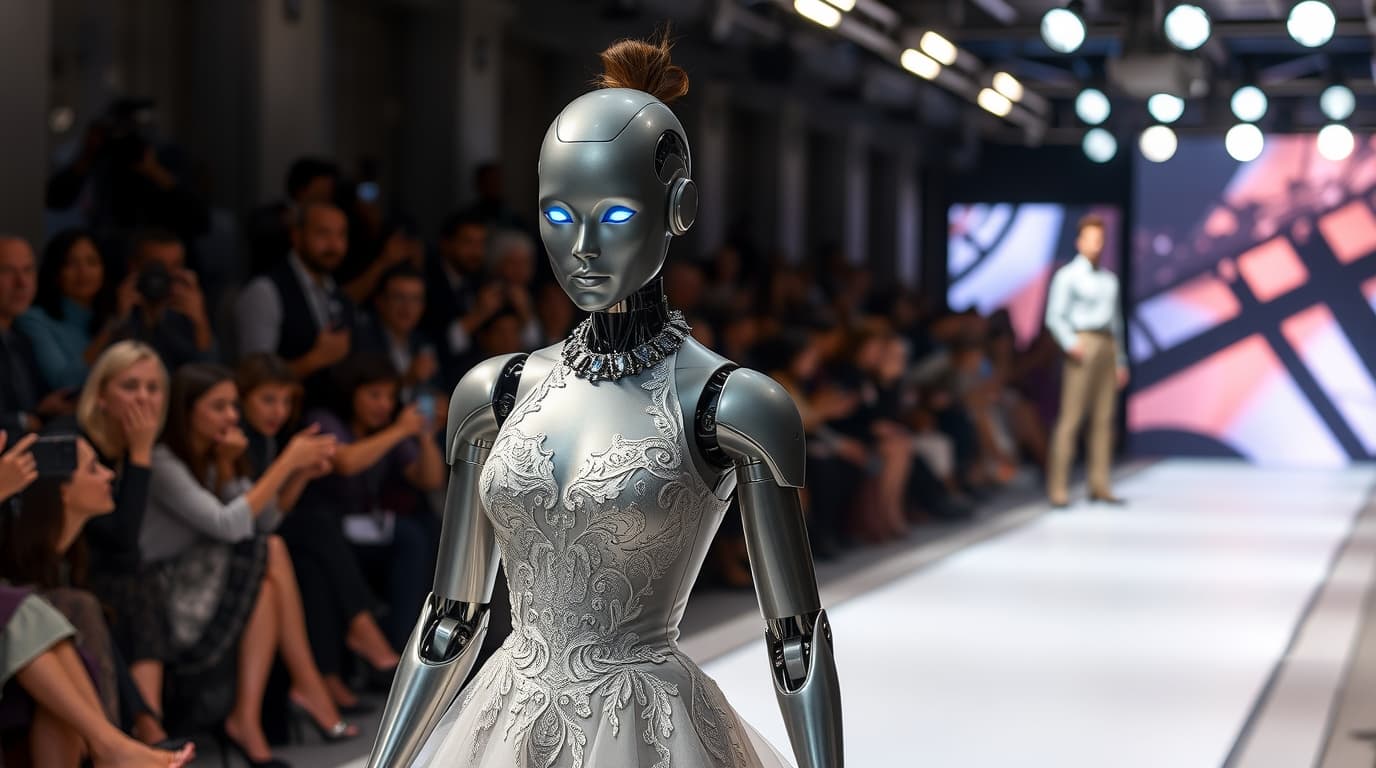
Paris is used to fashion stunts – spray-on dresses created live on stage, fake animal heads on the runway, horror-inspired couture with fake blood. But this season, the most photographed “model” at Paris Fashion Week wasn’t human at all – it was a humanoid robot.
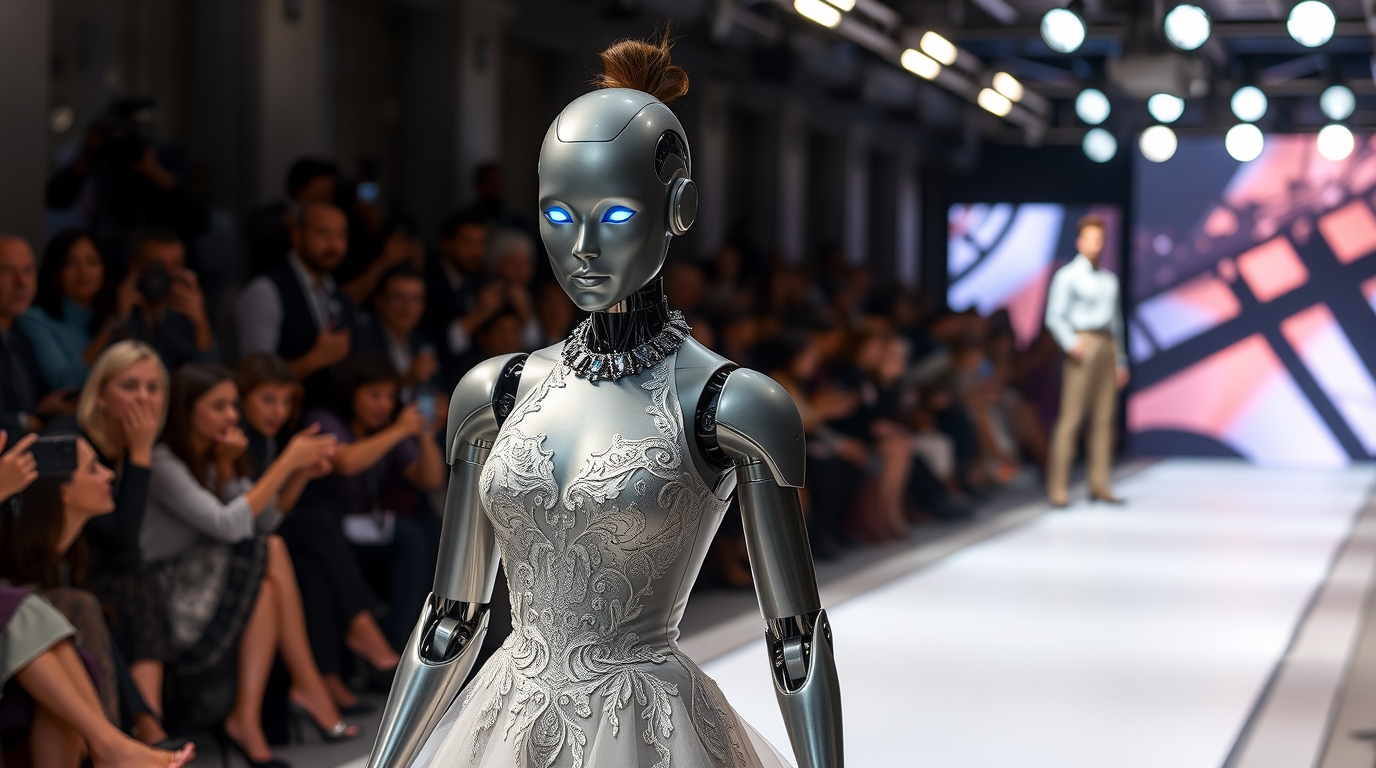
Chinese robot N2, developed by Noetix Robotics from Beijing, walked the runway in a UNESCO building in Paris, wearing a vest and pearls, and quickly went viral as a symbol of what’s coming at the intersection of fashion, robots and AI.
For fashion houses it’s the perfect attention magnet. For the robotics industry – a much more serious experiment.
Who is N2 and how did it end up on the runway?
N2 is a humanoid robot about 115 cm (3 ft 9 in) tall, with “human-like” proportions and movements that look more like an insecure beginner model than a Terminator. Noetix has already shown it in China, but this was the first show of such a robot outside of China.
Originally, N2 was supposed to appear in a Chinese designer’s collection, but the collaboration fell through at the last moment due to financial disagreements. Instead, the robot walked in three outfits bought in a local vintage shop, in front of journalists and guests, and also did small acrobatics for passers-by on the streets of Paris.
Noetix CEO Jiang Zheyuan explains the idea quite simply: humanoid robots look like people, so collaborating with fashion can “spark imagination” and create new kinds of performance and interaction between humans and machines.
Fashion loves spectacle – and robotics needs attention
Paris Fashion Week has been a playground for tech-driven surprises for decades:
- In 1999, Alexander McQueen used industrial robots to spray-paint a dress live on a model.
- In 2010, Tokyo Fashion Week opened with a humanoid model HRP-4C – a robot with a face similar to a J-pop star.
- In 2023, brand Coperni brought robot dogs onto the catwalk alongside human models.
N2 fits perfectly into that tradition: a mix of “wow, what is this?” for the audience and a chance for brands to show they are “ahead of the curve”.
But from the point of view of the robotics industry, these performances have another role: collecting data and getting people used to the idea that robots are not only for factories, but also for lifestyle and entertainment.
A 5-trillion-dollar race for humanoid robots
Behind the cute robot in a vest and pearls stand some very serious numbers. Analysts estimate that the humanoid robotics market could be worth around 5 trillion dollars by 2050.
In that race, China is currently pushing the hardest:
- huge domestic market,
- mature ecosystem of chips, sensors and batteries,
- strong state support – including large AI and robotics funds.
Over the last year alone, more than thirty Chinese companies have presented several dozen different humanoid models, while American manufacturers have shown far fewer.
In other words: N2 may look like an Instagram gimmick, but it’s actually a shop window for an industry that wants to move from labs and demo videos into the real world – factories, shops, hotels, and yes, fashion runways.
“Embodied AI”: why the runway is a secret lab
One of the big problems in today’s robotics is that robots are still not very useful in everyday tasks. Yes, they can run, jump, dance and even finish a half-marathon – but if you ask them to make you coffee or neatly stack clothes in a store, humans still win.
A key reason is the lack of 3D data.
- ChatGPT-like models learn from the “2D world” – text, images, audio.
- Humanoid robots must learn how to move, balance and react to obstacles and people in real-world space – that’s embodied AI, AI in a body.
To learn those skills, robots need countless scenarios in real environments. That’s why some companies already have robots that spend more than 10–15 hours a day repeating the same tasks: stocking shelves, folding clothes, pouring tea – just to generate a huge dataset of motions.
Fashion offers something different:
- runways, backstage areas, boutiques and fitting rooms are visually rich and dynamic environments,
- brands are willing to pay for expensive “smart mannequins” and robotic models to grab attention,
- every show or shop window becomes another source of 3D data on robot movement, crowd reactions and interaction with people.
For tech companies this is win-win: both PR and data.
How close are we really to “robot models”?
It’s still important to stay realistic.
N2 can do flips and acrobatics, but it struggles with stairs, so in Paris it had to stay on a single level of the venue.
Forecasts suggest that in the next few years only tens of thousands of humanoid robots will be sold worldwide – tiny numbers compared to billions of smartphones.
In other words:
- we’re not one step away from robots replacing all human models on the catwalk,
- but we have entered a phase where it feels normal to see a robot on stage next to influencers, TikTok stars and professional models.
Conclusion: Instagram trick or glimpse of the future?
You can see N2’s runway appearance in two ways:
- As just another fashion stunt – something that will generate clicks and Stories and then disappear in the flood of other viral moments.
- As an early signal that humanoid robots will increasingly appear in areas we associate with lifestyle, entertainment and culture – not only in factories and warehouses.
The truth is probably somewhere in between.
For now, humanoid robots look more like expensive, slightly clumsy performers than a serious replacement for human work. But as the industry races toward a multi-trillion-dollar market, people will get used to seeing robots on the runway, in cafés or at the checkout counter.
One thing is certain: Paris Fashion Week will never again be “only” about human models.