Trump orders federal agencies to phase out Claude (Anthropic): what’s actually happening
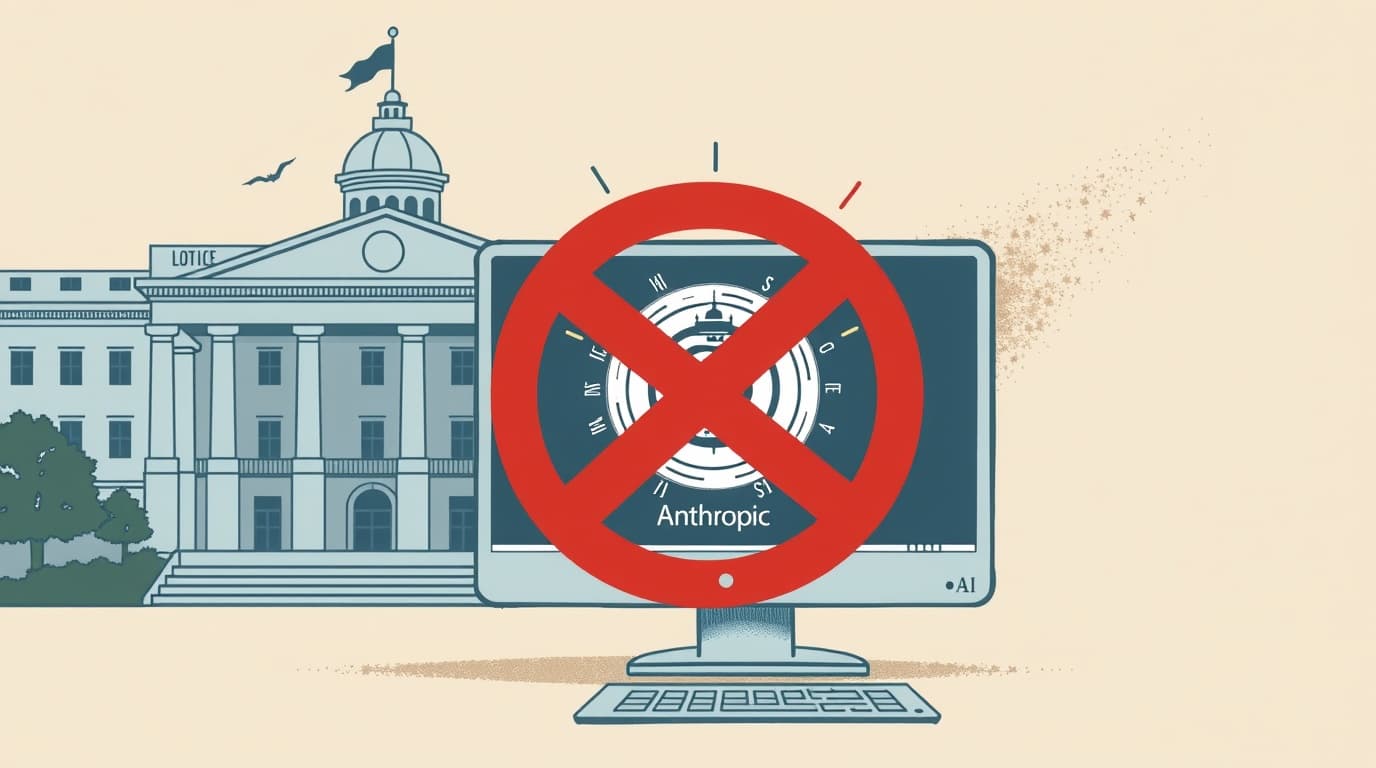
The headline making the rounds sounds like a meme: “Trump banned AI.” In reality, it’s not a ban on AI as a technology—it’s a move targeting a specific vendor and its models.
Multiple reports say the administration is pushing federal agencies to stop using Anthropic’s technology, including Claude, citing national-security and supply-chain risk concerns.
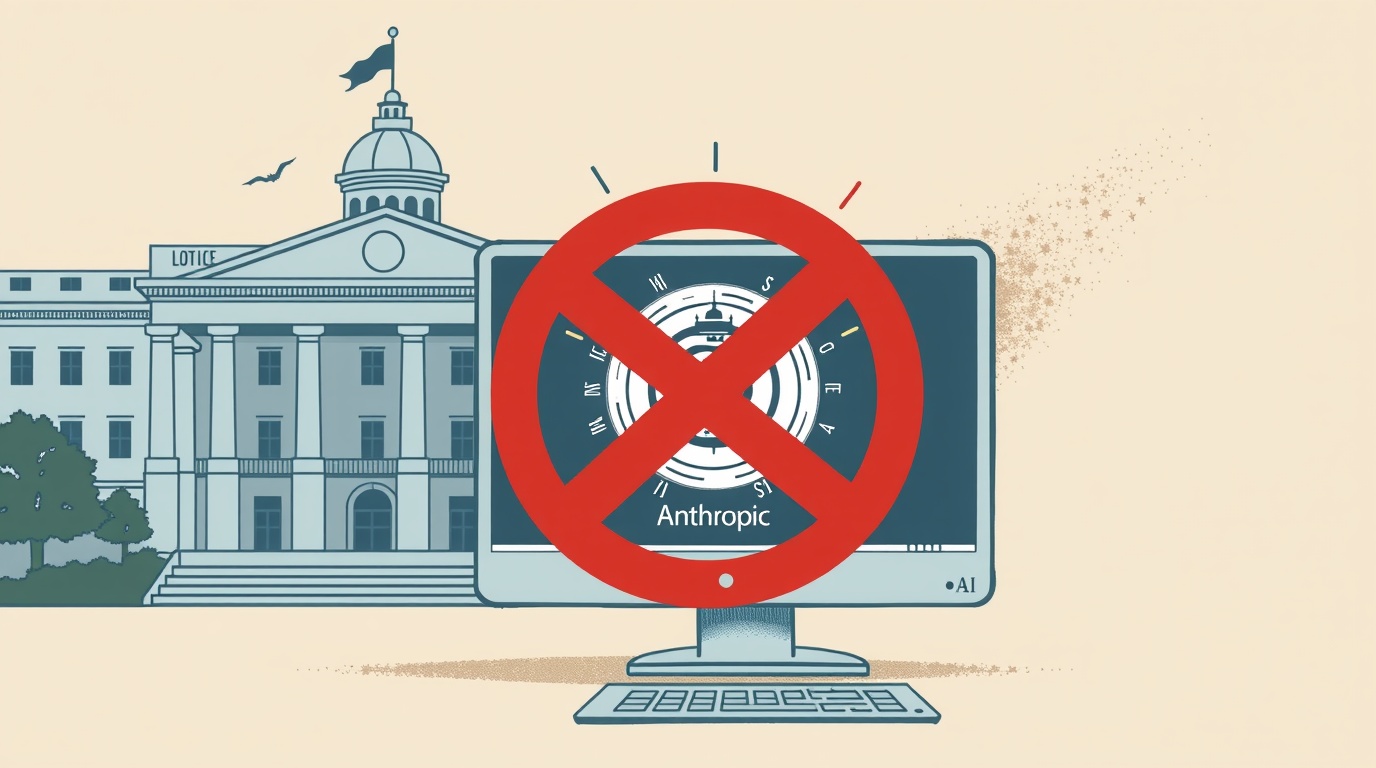
Visual illustration: InfoHelm
What is being ordered
This isn’t “AI is banned.” It’s Claude/Anthropic being phased out in parts of government use. Practically, that means agencies may need to:
- remove Claude from internal workflows where it’s used,
- migrate to alternatives (other vendors or internal solutions),
- handle the transition through standard IT and procurement processes.
Why this is happening
The public framing is national security and supply-chain risk. Under the surface is a broader debate: what kinds of access governments should have to private AI tools, and what kinds of uses AI vendors will accept—especially in sensitive contexts.
Who is actually affected
- Directly: federal agencies and government contractors who relied on Claude.
- Indirectly: the AI market, because procurement moves quickly reshape incentives and contracts.
- Everyday users: mostly not directly, because consumer use is separate from government procurement.
What remains unclear
With decisions like this, key details often remain fuzzy:
- the timeline for migration and whether there’s a transition period,
- what counts as “use” (embedded integrations vs. optional tools),
- how legacy systems are handled if Claude is deeply integrated.
Conclusion
So: not a blanket “AI ban,” but a policy/security move pushing one major AI vendor out of specific government workflows. The larger signal is obvious—AI has become infrastructure, and infrastructure politics tend to get loud.
Note: This article is educational and informational.