Micron to invest $9.6 billion in Japanese AI memory plant
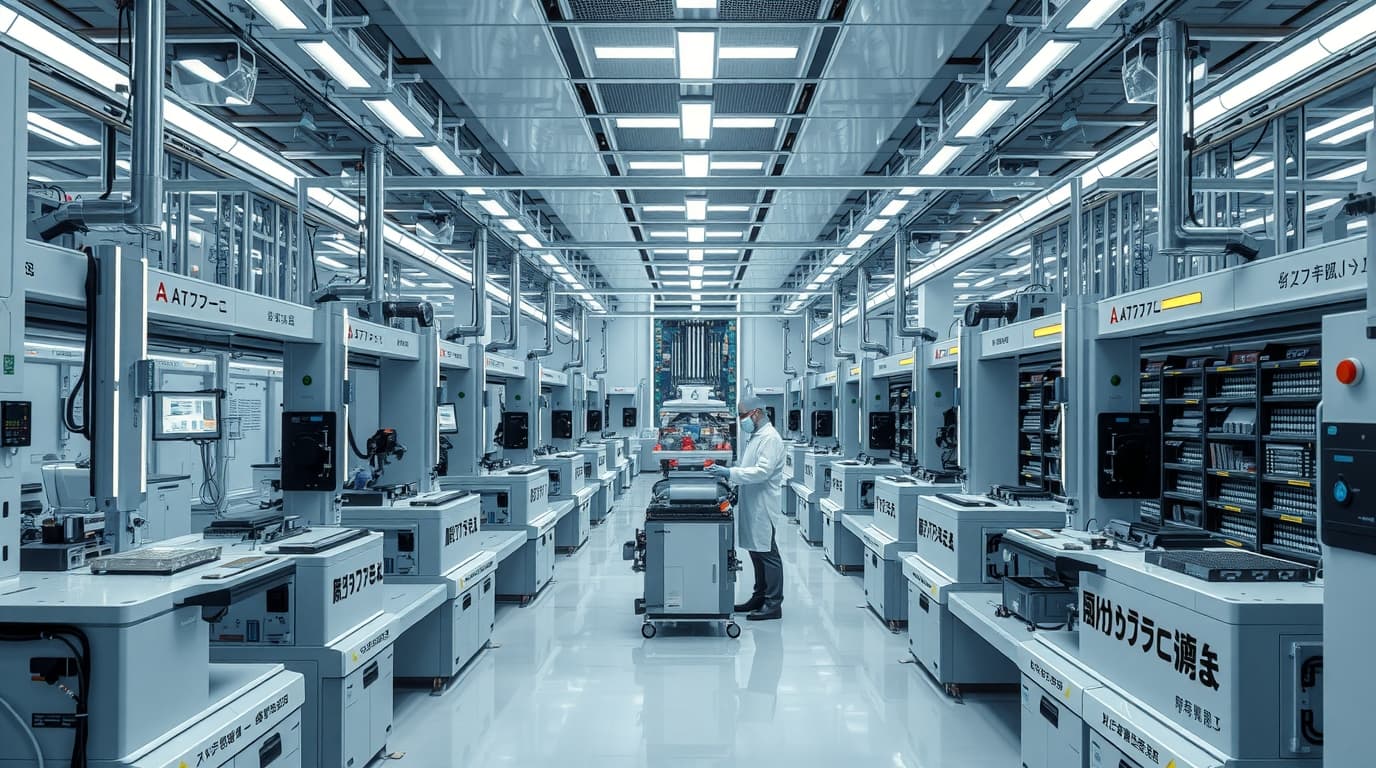
The race for dominance in artificial intelligence is no longer just about GPUs and accelerators – it’s also about memory. US chipmaker Micron has announced an investment of around 1.5 trillion yen (~$9.6 billion) into a new plant in Hiroshima, dedicated to HBM (High-Bandwidth Memory) chips that power AI servers and data centers.
Japan plans to support the project with subsidies of up to 500 billion yen, and the first chips are expected around 2028. With this, Micron is stepping directly into the ring with South Korean giants SK Hynix and Samsung, who currently control most of the HBM market.
What exactly has Micron announced?
According to reports from Japan, the plan looks like this:
- Location: the new HBM fab will be built as part of Micron’s existing complex in Hiroshima;
- Production focus: advanced HBM modules used in the latest AI GPUs and accelerators;
- Timeline: construction to start in May next year, ramp-up and first shipments around 2028;
- Public support: the Ministry of Economy, Trade and Industry (METI) plans subsidies of up to 500 billion yen through strategic fab support programs;
- Strategic goal: strengthening Japan’s domestic supply chain and reducing dependency on Taiwan and other bottlenecks in Asia.
For Micron, which has traditionally relied on DRAM and NAND for PCs and mobile devices, this is a clear signal that AI memory is moving to the center of its business strategy.
Why is HBM memory so crucial for AI?
When we talk about ChatGPT, image models or video analytics, people first mention Nvidia GPUs or specialized AI accelerators. But in practice, the bottleneck is increasingly memory bandwidth.
HBM (High-Bandwidth Memory) stacks multiple memory dies vertically into a “tower” and connects them with ultra-wide buses. The result:
- much higher bandwidth compared to classic DDR/GDDR,
- lower energy consumption per bit,
- smaller physical footprint on the chip package.
That’s why serious AI cards – from Nvidia and AMD to various ASIC designs – rely on HBM as their default memory. Analysts expect the HBM market to grow at around 30% annually through 2030, with total value reaching tens of billions of dollars per year.
So far, SK Hynix has held a dominant share of HBM shipments, with Samsung also strongly present. Micron’s entry with a huge Japanese fab means more competition and more diversified supply.
Japan’s semiconductor “renaissance”
Micron’s project is not an isolated move – it fits into Tokyo’s broader strategy to bring Japan back as a serious semiconductor power.
In recent years, Japan has:
- subsidized TSMC’s fab in Kumamoto, which already produces chips for automotive and industrial use;
- launched the Rapidus project with the goal of mass-producing 2 nm chips by the end of the decade, backed by billions in government support;
- attracted international players (Micron, IBM and local conglomerates) to build leading-edge fabs, not just “legacy” production.
The goals are clear:
- Reduce risk from over-reliance on any single region (especially Taiwan and South Korea);
- Create a domestic base for chips that are critical to AI, automotive and defense industries;
- Put Japan back on the map as a serious chip-making hub after decades of decline versus Korea and Taiwan.
Micron’s HBM plant fits perfectly into that picture – it targets the fastest-growing and most profitable segment of the memory market.
What does this mean for AI, GPUs and the geopolitical race?
On the surface, this looks like “just another fab.” But when it comes to HBM, the story is much bigger:
- Easing a key bottleneck: today, HBM modules are often a bigger constraint on GPU supply than the compute dies themselves. Fresh capacity in Japan could ease some of that pressure.
- Challenging SK Hynix: the Korean company currently enjoys a huge share of the HBM segment; a stronger Micron gives buyers like Nvidia, AMD and cloud providers more bargaining power.
- Geopolitics and diversification: fabs in Japan – alongside new projects in the US and Europe – are part of a global effort to rebalance chip manufacturing and reduce reliance on any single country or strait.
- Risk of an “AI bubble”: despite optimistic forecasts, some analysts warn that the first signs of an AI downturn would likely show up in Asian memory and foundry companies. If HBM demand suddenly slows, huge new fabs risk being underutilized and extremely expensive.
For now, though, all signs suggest AI demand is still accelerating, and chipmakers are racing to catch the wave.
How will this affect regular users?
For everyday users and small teams, this announcement won’t change much overnight, but it has indirect effects:
- potentially more available AI servers and cloud capacity after 2028, once new production ramps;
- stronger competition in HBM may gradually lower infrastructure costs and, in turn, reduce prices of AI services;
- a stronger Japanese role in AI chips means more partnerships, research projects and a livelier startup ecosystem in the region.
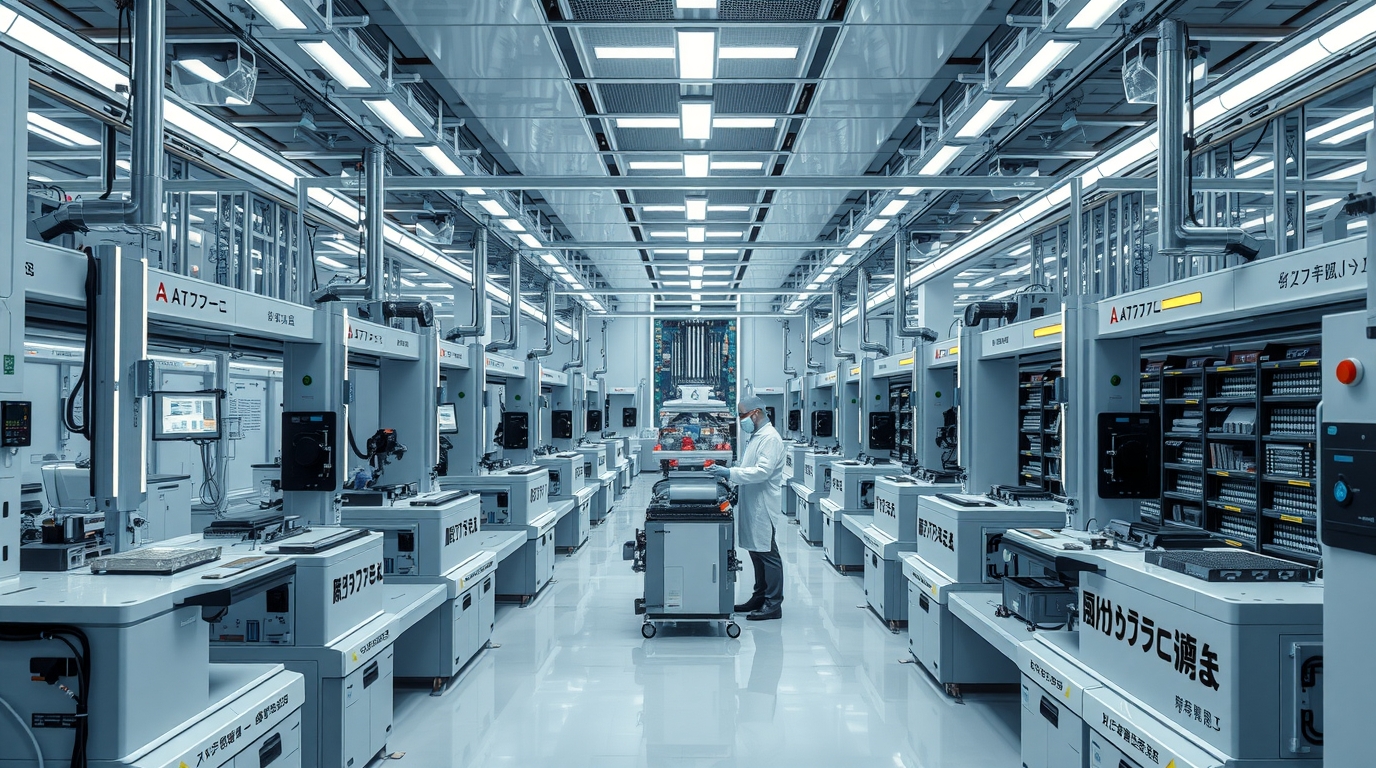
Until then, Micron’s move is another reminder that AI is no longer just a software story. The future is being decided in chip fabs, under cleanroom suits and through multi-billion-dollar subsidy programs.
Disclaimer: This article is for informational purposes only and does not constitute financial, investment, legal or any other form of professional advice.